

Critical Care Medicine in the department of Pediatrics

Patient Care

Thanks to a year of intense growth, the critical care team at Lucile Packard Children’s Hospital is even better prepared to help critically ill children return to health.

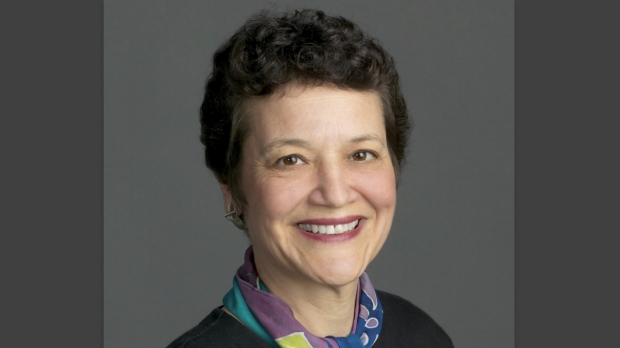
It's our goal to replace fear with legitimate hope,” said David Cornfield, MD, who has been the chief of critical care medicine and medical director of the PICU at Packard Children's since 2007.
To help young patients recover, Packard Children’s has expanded its PICU bed capacity, made key hires on the critical care team, improved emergency transport capability and instituted new ways to track patient outcomes. The changes arose from intense scrutiny of every aspect of critical care offerings.

Starting at the bedside, attending physicians collaborate closely with specialty practitioners, nurses, pharmacists, respiratory therapists and patients’ families to tailor care to each child.

PICU capacity grows

In September, Packard Children’s PICU capacity jumped from 12 to 18 beds, with another four beds still to be added as the unit completes ongoing renovations in early 2010. Already, the extra beds have made a sizeable dent in the number of children who must be turned away from the PICU.

The increased bed capacity has been accompanied by significant change in the model of PICU care. Now, two attending physicians and two complete medical teams are on the ward at all times, an approach that has been successful in large pediatric intensive care units around the country.

Both teams will deal with direct bedside needs, as well as the considerable emotional and social issues that each child and family confront in the context of critical, life-threatening illness.
"Packard Children’s PICU recently became the first in the country to automatically populate each patient’s electronic medical record with data from monitors, then use that data to generate an individualized, continually updated Pediatric Risk of Mortality, or PRISM, score. Based on the first five months of automated PRISM tracking, the team’s observed outcomes are approximately two standard deviations above mean mortality levels predicted by statistical models of PRISM scores", Cornfield said.

With the new system, not only is it easy to track aggregate outcomes, but each patient can be followed more closely than if all tracking were done by hand. “It allows us to use our nursing staff and other resources more judiciously,” Cornfield said.

Other initiatives include changes to minimize unnecessary orders for labs, X-rays and blood transfusions. For instance, if a practitioner requests a transfusion for a patient whose hemoglobin level exceeds 8 g/dl, the computer system generates a reminder that the patient doesn’t meet standard transfusion criteria and asks why the transfusion is needed.

Faster, safer trips to the hospital

Packard Children’s critical care expertise extends beyond the hospital walls, too. As of May, pediatric transport specialists are available 24 hours a day, seven days a week to travel to other hospitals and accompany critically ill children back to the PICU. It’s a big improvement from the 12 hours per day that the team used to be available.

The transport team consists of six RN transport specialists, experienced PICU nurses who have received specialized training in moving sick and injured kids. Each trip is led by one of these specialists, accompanied by a second ICU nurse and, if the child’s condition warrants, a respiratory therapist or physician. Transports are performed by ambulance, life-flight helicopter and fixed-wing plane.

Multidisciplinary collaboration

At the core of Packard Children’s critical care philosophy, Cornfield concluded, is the conviction that multidisciplinary collaboration leads to the best care. Physicians in the PICU maintain close ties to subspecialty providers appropriate to each child’s case, and also draw on the expert knowledge of specially-trained PICU nurses, respiratory therapists, social workers and pharmacists. They strive to maintain appropriate contact with referring physicians, either directly or through other hospital services. And they include each patient’s family on care decisions.
 “By caring for both the patient and the family, we are truly able to wed the art and the science of medicine," Cornfield said. "It is our great privilege.”

Stanford Medicine Resources:

Footer Links: